Department of Informatics and Telecommunications
A leading academic department featuring intense research activity, a modern curriculum, and fully accredited professional rights.
Department Overview
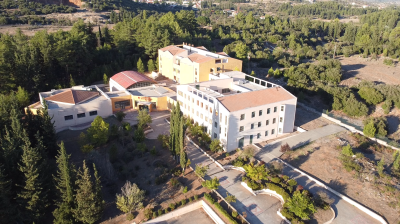
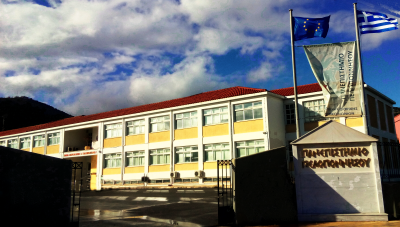
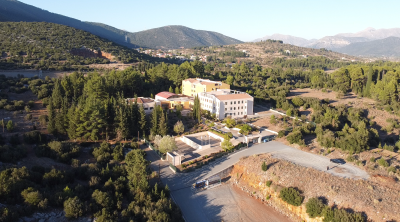
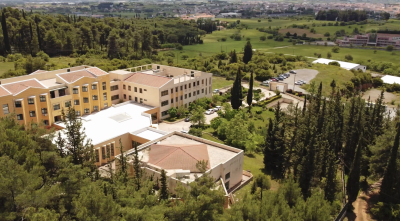
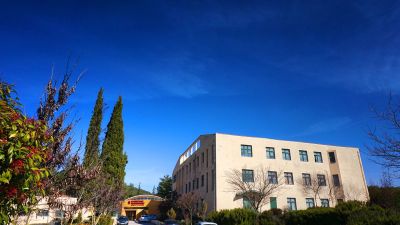
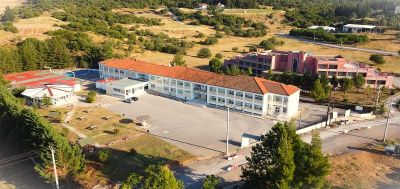
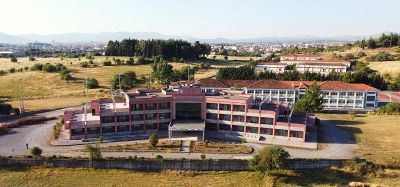
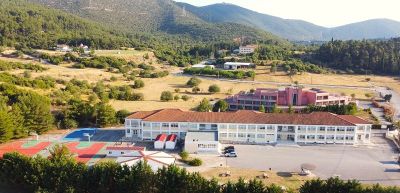
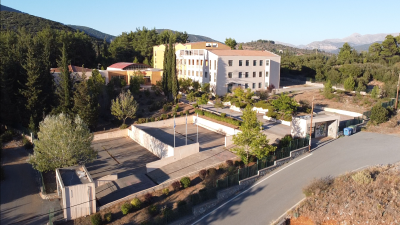
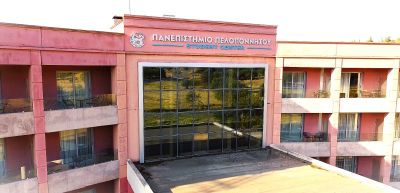
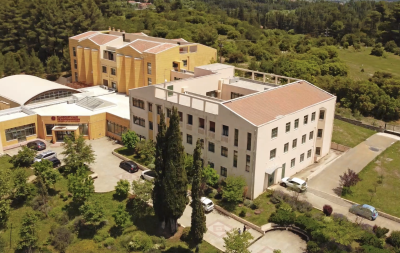
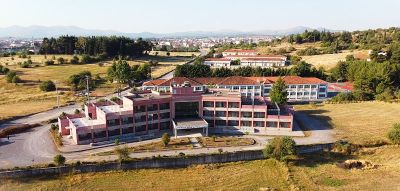
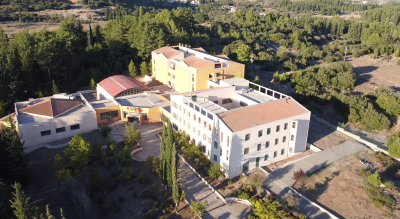
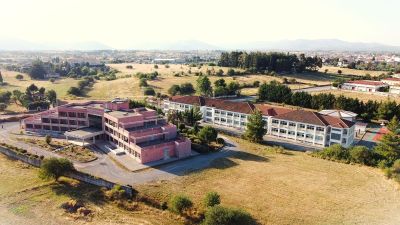
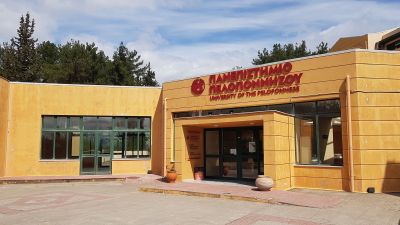
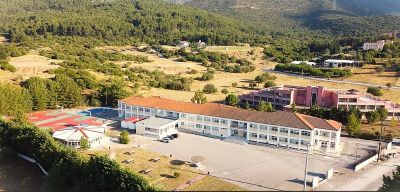
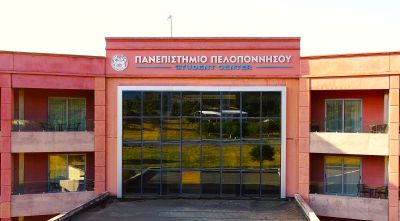
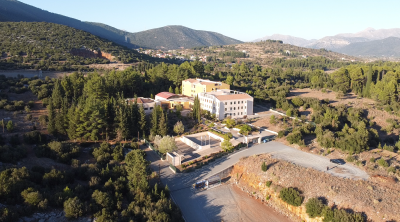
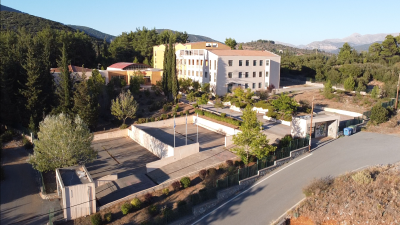
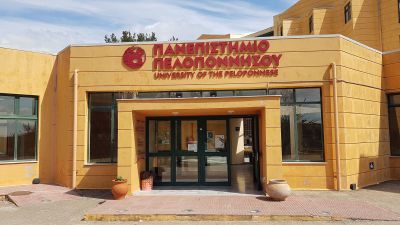
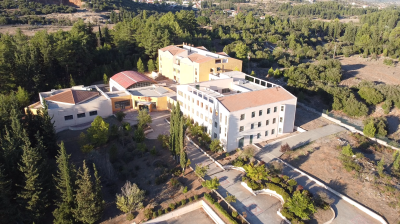
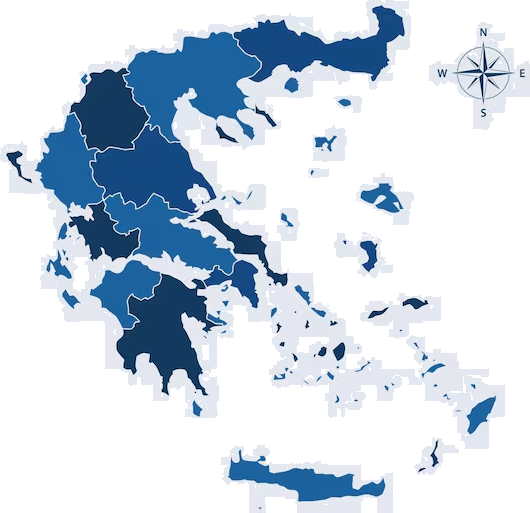
The Department was established in 2013 (resulting from the merger of the University's first historical departments which had been operating since 2002) and is based in Tripolis, Greece, near the grove of Agios Georgios.
On an annual basis, the Department welcomes approximately 200 undergraduate and 50 postgraduate students. The Faculty members are highly distinguished for their extensive publication and research track record in leading international scientific journals, successfully attracting external funding through competitive European and national programs.

Teaching & Study Infrastructure
Modern spaces designed to deliver state-of-the-art education to our students.
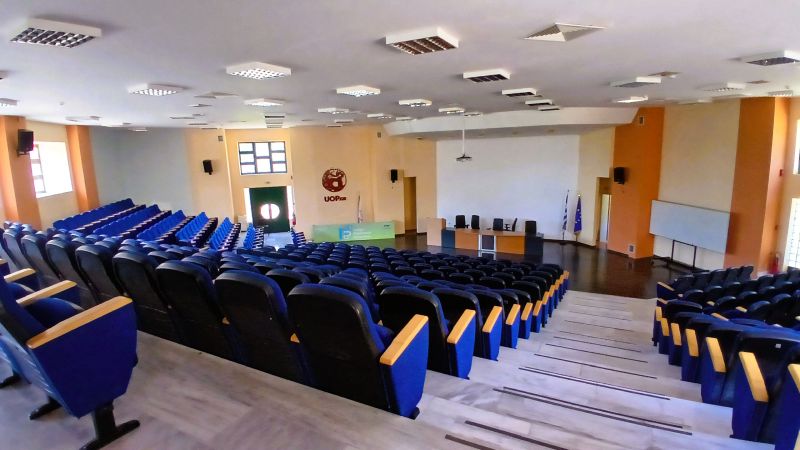
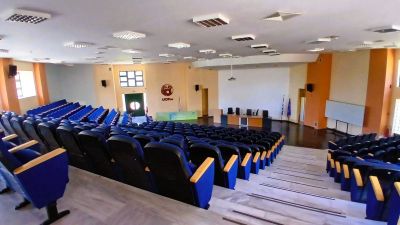
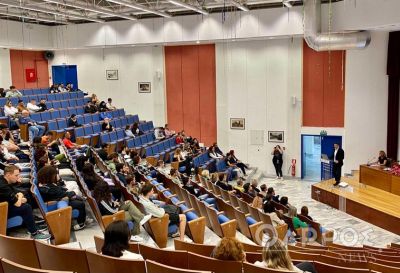
Classrooms & Lecture Halls
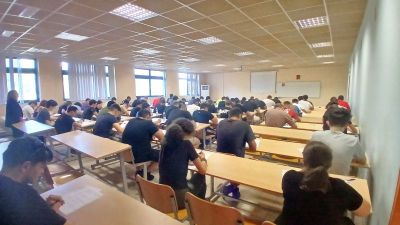
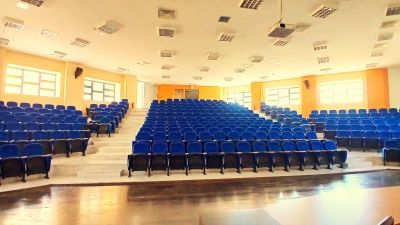
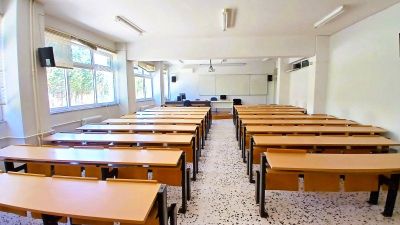
10 modern classrooms (with a capacity ranging from 40 to 150 seats) fully equipped with personal computers and advanced audiovisual systems, including a dedicated teleconferencing room for distance learning activities.
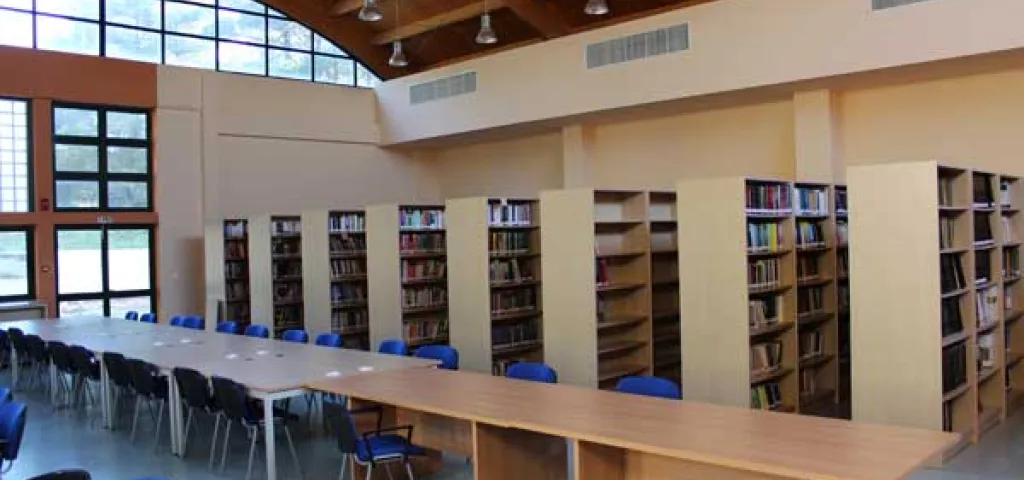
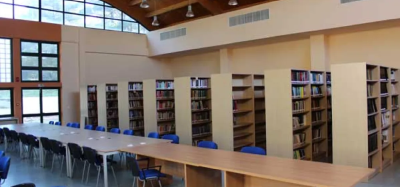
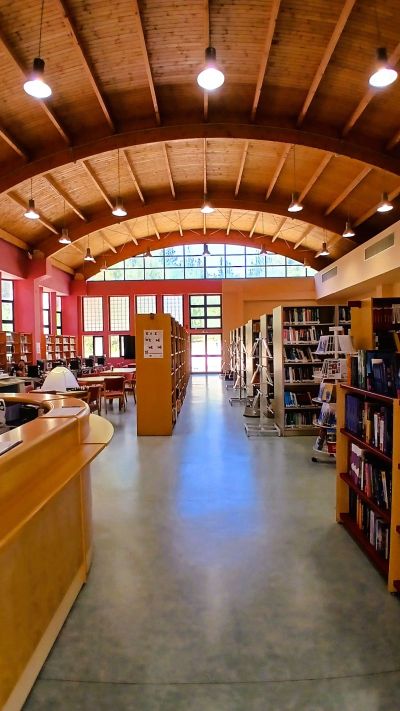
Library & Reading Room
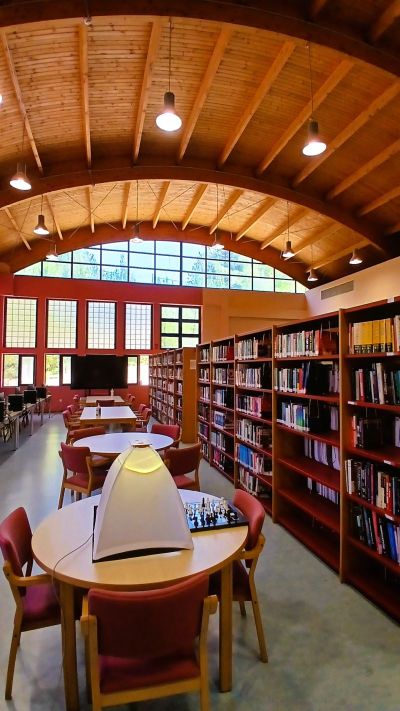
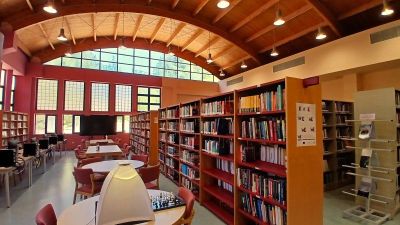
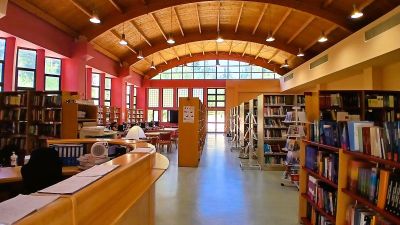
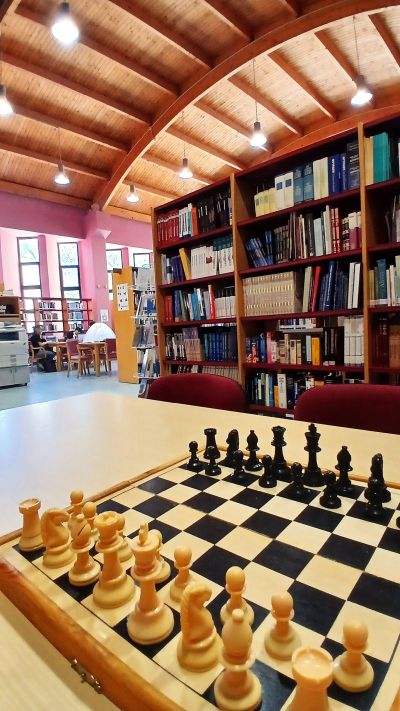
A reading facility with 35 seats and a rich collection of scientific textbooks, offering borrowing privileges and full electronic access to the complete texts of over 8,500 international journals via the HEAL-Link consortium.
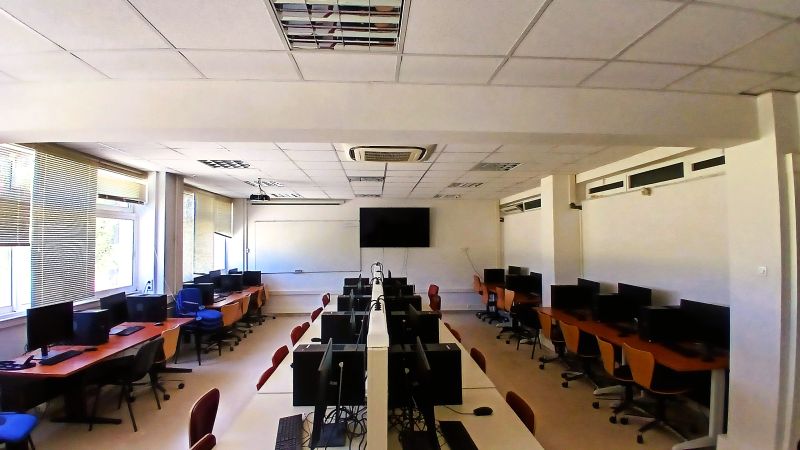
PC Laboratories
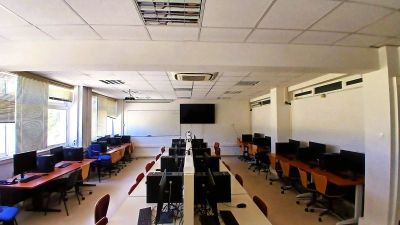
3 computer rooms featuring a total of 75 modern workstations and a central printer. They are equipped with specialized software for application development, web creation, mathematical calculations, and systems modeling.
Research & Educational Laboratories
Explore the Department's cutting-edge laboratory infrastructure and specialized equipment by academic division.
Logical Design & Computer Architecture Lab
Sun Blade workstations, VLSI design software, educational training and interface cards with FPGAs, microcontrollers, XILINX FPGA foundation express software, digital oscilloscopes, and scanners.
Computer Systems Laboratory
High-end workstations equipped with Matlab simulation software (with Simulink), hardware design environments (Mentor Graphics, Synplicity, Xilinx, Altera), and development environments for ARM, Texas Instruments, and Intel processors.
Graphics & Image Processing Laboratory
20 workstations with advanced graphics cards (OpenGL support), 3D graphics creation and mathematical modeling software, as well as 3D scanners and digital cameras.
Virtual Reality & Human-Machine Communication Lab
Workstations equipped with autostereoscopic TFT displays, virtual world development software, and specialized virtual reality peripherals (headsets, gloves, tracker devices, and 3D mice).
Software Systems & Databases Laboratory
Workstations supported by a central server, featuring database management systems (DBMS), parallel/distributed application development libraries, and web servers.
High-Performance Workstation Laboratory
Unix-based systems equipped with VLSI design software, LPA Prolog, knowledge-base development tools, and ILOG optimization libraries.
Computer Science Laboratory
64-bit systems with dual OS (Windows/Linux) and Mathematica/Matlab packages. Uses the MPI protocol for virtual cluster deployment, alongside complex network simulation tools (NetworkX).
Electronics Laboratory
Workstations equipped with oscilloscopes, low/high frequency generators, frequency meters, DC/AC power supplies, multimeters, and prefabricated training boards for chip measurement and wiring.
Optical Communications Laboratory
Optical fiber training kits, fiber cutting and splicing instruments, optical time-domain reflectometers (OTDR), laser diodes, optical spectral analyzers, optical amplifiers, and simulation software platforms.
Digital Communications Laboratory
Specialized laboratory training equipment (from manufacturers such as Degem, Feedback, Elettronica Veneta, etc.), measuring instruments (generators, oscilloscopes, multimeters), and custom software for digital link simulation.
Wireless & Mobile Communications Laboratory
NEMO system for 2G/3G (GSM-GPRS-WCDMA) radio interface analysis, Network Analyser (8.5GHz), spectrum analyzers (22GHz), RF generators up to 20GHz, calibrated antennas, integrated RADAR training setups, and Ray Tracing coverage software.
VLSI Circuit Design Laboratory
Workstations equipped with electronic circuit simulation software, digital circuit design tools in VHDL paired with respective hardware development boards, and integrated discrete components.
Communication Networks & IT Applications Lab
Cable connection certification and testing gear, active routing/switching devices, a telephone private branch exchange (PBX), network management software, and an SDL protocol specification/simulation platform with H.323 MCU support.
Digital Signal & Image Processing Laboratory
DSP development platforms (TMS320C6711/6701 Starter Kits), Code Composer Studio, spectrum analyzers, System View and MATLAB software packages, alongside dedicated camera and video peripherals for real-time processing.